



Welcome To
The Center for Occupational and Environmental Medicine
Restoring Health & Extending Lives Since 1978
Toxicity
CIRS
Infection
Hormonal Imbalances
Allergy & Autoimmunity
Chronic Illness
Mold Toxicity
Chemical Toxicity
Allergy and Immunology
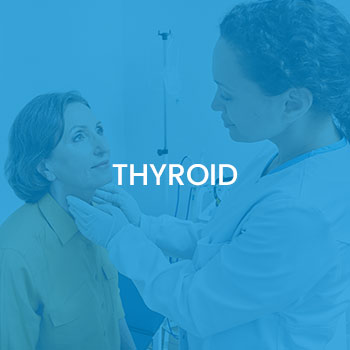
Thyroid
Heavy Metal Toxicity


We are closed from December 23rd, 2023 through January 1st, 2024 for the holidays. We will reopen January 2, 2024 at 8 am.
We are closed from December 23rd, 2023 through January 1st, 2024 for the holidays. We will reopen January 2, 2024 at 8 am.
Welcome to The Center for Occupational and Environmental Medicine, Functional and Integrative Medicine Specialists Located in Charleston, South Carolina
The Center for Occupational and Environmental Medicine (COEM) specializes in environmental, functional, and integrative medicine. We help you find the root cause of your illness by addressing the whole person. Our practice works around the core belief of care, compassion, and competency to help patients on their journey back to health and wellness. We provide many programs and treatments, including allergy and immunotherapy, comprehensive thyroid disease management, neurodegenerative diseases treatment, cardiovascular health & age management, autoimmune diseases, chemical/heavy metal/mold toxicity and more. For more information, contact us today or book an appointment online. We are conveniently located at 7510 North Forest Drive North Charleston, SC 29420. Patients routinely fly in to be evaluated by COEM, as we serve patients internationally. Find out if you have been exposed, extensive lab testing is available. We serve patients from Charleston, Mt. Pleasant, Summerville, North Charleston SC, Ladson SC, Hanahan SC, James Island SC, John’s Island SC, Daniel Island SC, all of South Carolina, Nationally, and Internationally. Patients routinely fly into Charleston to be evaluated by COEM and to enjoy this beautiful city which is a Condé Nast and Travel and Leisure Top Domestic and International Tourist Destination.
No matter where you are, we can help you.
Welcome to The Center for Occupational and Environmental Medicine, Functional and Integrative Medicine Specialists Located in Charleston, South Carolina
The Center for Occupational and Environmental Medicine (COEM) specializes in environmental, functional, and integrative medicine. We help you find the root cause of your illness by addressing the whole person. Our practice works around the core belief of care, compassion, and competency to help patients on their journey back to health and wellness. We provide many programs and treatments, including allergy and immunotherapy, comprehensive thyroid disease management, neurodegenerative diseases treatment, cardiovascular health & age management, autoimmune diseases, chemical/heavy metal/mold toxicity and more.
For more information, contact us today or book an appointment online. We are conveniently located at 7510 North Forest Drive North Charleston, SC 29420. We serve patients from Charleston, Mt. Pleasant, Summerville, North Charleston SC, Ladson SC, Hanahan SC, James Island SC, John’s Island SC, Daniel Island SC, all of South Carolina, Nationally, and Internationally. Patients routinely fly into Charleston to be evaluated by COEM and to enjoy this beautiful city which is a Condé Nast and Travel and Leisure Top Domestic and International Tourist Destination.
No matter where you are, we can help you.

About The Center for Occupational and Environmental Medicine
For over 45 years COEM has helped patients from all over the world to regain their health and maintain health through prevention. Our Wellness Programs are based on the concept of the Total Body Stress Load. We examine a patient’s allergic, toxic, infectious, emotional, and hormonal loads to arrive at an optimal balance that promotes health and well-being.

About The Center for Occupational and Environmental Medicine
For over 45 years COEM has helped patients from all over the world to regain their health and maintain health through prevention. Our Wellness Programs are based on the concept of the Total Body Stress Load. We examine a patient’s allergic, toxic, infectious, emotional, and hormonal loads to arrive at an optimal balance that promotes health and well-being.
MEET OUR DOCTORS & STAFF
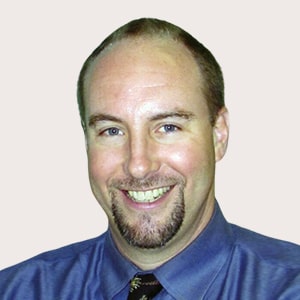
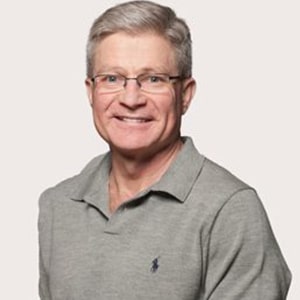
MEET OUR DOCTORS & STAFF
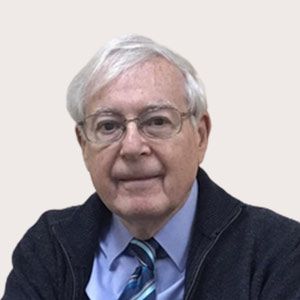
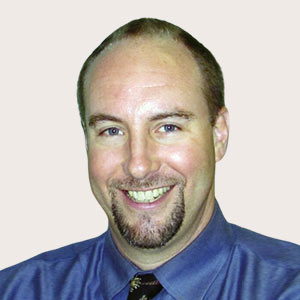
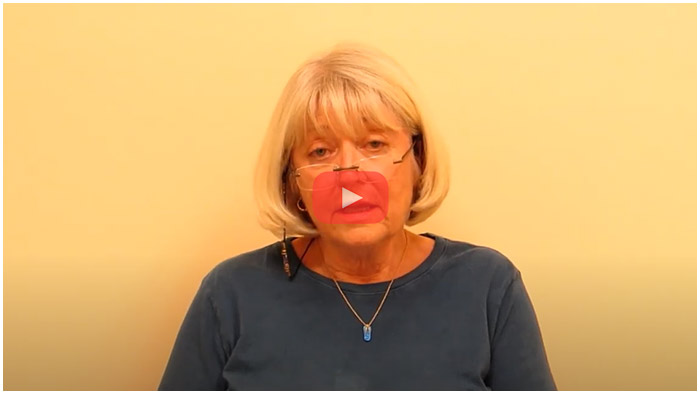
Why Our Patients Love Us
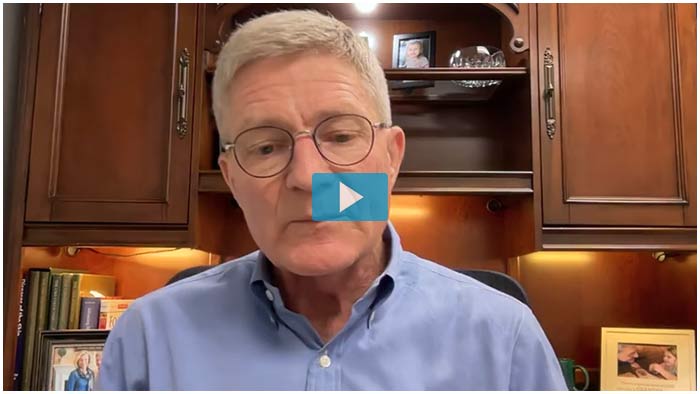
Hear from Dr. Elliott
Why Our Patients Love Us
Hear from Dr. Elliott
OTHER DISEASES & TREATMENTS
OTHER DISEASES & TREATMENTS
PATIENT REVIEWS AND FEEDBACK
PATIENT REVIEWS AND FEEDBACK

The BEST PLACE EVER!! I have been a patient here for 33 years. They care about the patient and their knowledge is out of the box. The care is individualized.
Tweet Willis
Doctors & staff are very nice, compassionate, efficient, thorough, friendly, & knowledgeable. They use the only allergy testing & treatment injections, provocation-neutralization, that work for me.
Sue Theeman
It is wonderful and Dr. Weirs is the best doctor ever. They have helped me with my foods allergies, etc. I cannot say enough great things about Dr. Weirs and COEM
Marie Adele Gonzales

GET DIRECTIONS
Let’s get started. We are looking forward to hearing from you.

GET DIRECTIONS
Let’s get started. We are looking forward to hearing from you.




 Send Text
 How May I Help You?